
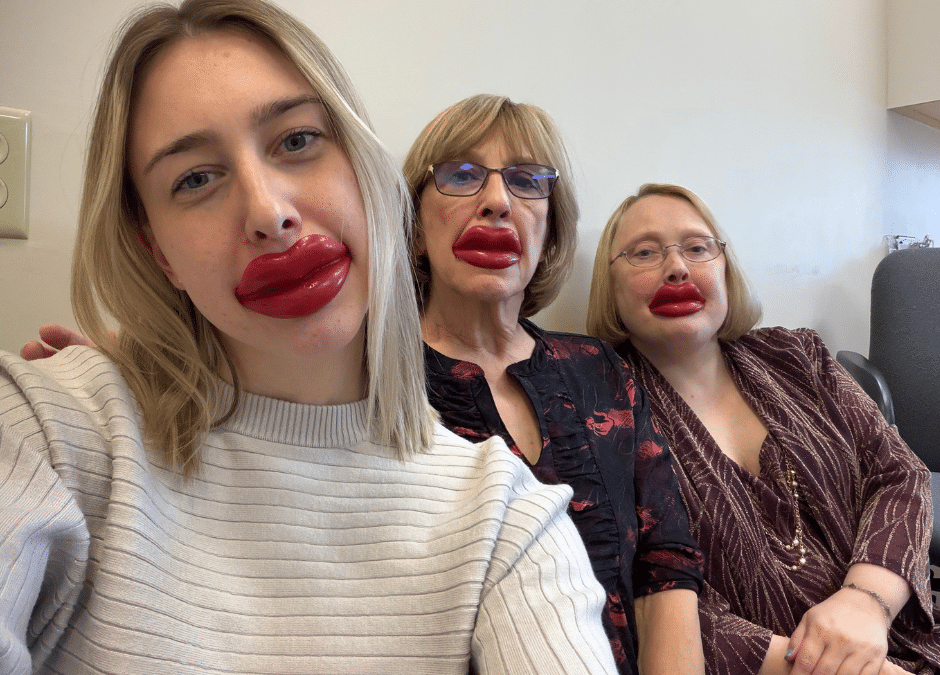
Over the last 25 years, I have heard several patients remark on how they think they rely on lip reading and most of them found out just how important this task was during our pandemic days when masks were being worn by everyone, causing a visual barrier.
Successful lip reading relies heavily on facial expressions, body language, and the context of the conversation to “fill in the gaps”. When you remove just one of these elements, hearing can be a major struggle for those that are hearing impaired.
People with normal hearing use lip reading subconsciously, especially in noisy environments like restaurants, to help process sounds so imagine what it must be like adding a hearing loss to the equation.
Lip reading, also known as speechreading, can be an early sign of hearing loss. As hearing progressively declines, the brain increasingly relies on visual cues from the speaker’s face, a mechanism that can mask hearing loss for years.
When communicating with someone that is hearing impaired, remember the following:
– Face the person directly, get their attention, and ensure adequate lighting.
– Speak clearly at a normal pace; do not exaggerate movements or shout, as this can cause distortion in speech.
– Keep hands or any other types of objects away from the mouth while speaking.
– Lip reading is most effective with residual hearing, hearing aids, or cochlear implants, acting as a crucial tool for navigating, especially in noisy, challenging environments.
If you or a loved one sense a decline in hearing, give a call, a simple hearing test will determine if the cause of your lip reading is normal or there truly is a need to be concerned.

Marcie Snyder
Licensed Audiologist Specialist